TRC4 Impact

UTMB Researchers Transforming Treatment Approaches for Chronic Subdural Hematoma

Middle Meningeal Artery Embolization with Sustained Release Bevacizumab Hydrogel for Patients with Chronic Subdural Hematoma

Project Overview

Through its Proof of Concept Research funding mechanism, the Trauma Research and Combat Casualty Care Collaborative (TRC4) is investing in a first-in-class, molecularly targeted embolic platform to treat chronic subdural hematoma (cSDH), a common and costly neurosurgical condition. Co-led by Principal Investigators Dr. Peter Kan and Dr. Matias Costa at the University of Texas Medical Branch (UTMB), this innovative project addresses the underlying biological drivers of cSDH, specifically the abnormal blood vessel growth and inflammation that cause recurrent bleeding in the brain. While current interventions like surgery and traditional middle meningeal artery embolization (MMAE) provide mechanical fixes, they fail to halt these biological triggers.


By engineering a novel, shear-thinning peptide hydrogel (SHA-E2), the UTMB team has created a system that can be safely delivered via standard microcatheters to combine immediate vessel occlusion with the sustained, localized release of the anti-VEGF drug bevacizumab. Early preclinical testing has successfully demonstrated durable vessel occlusion, strong visibility under fluoroscopy, and an excellent safety profile. If validated through further clinical studies, this groundbreaking drug-eluting embolic platform could markedly reduce recurrence rates, improve patient outcomes, and represent a paradigm shift toward molecularly targeted therapies for brain injuries.

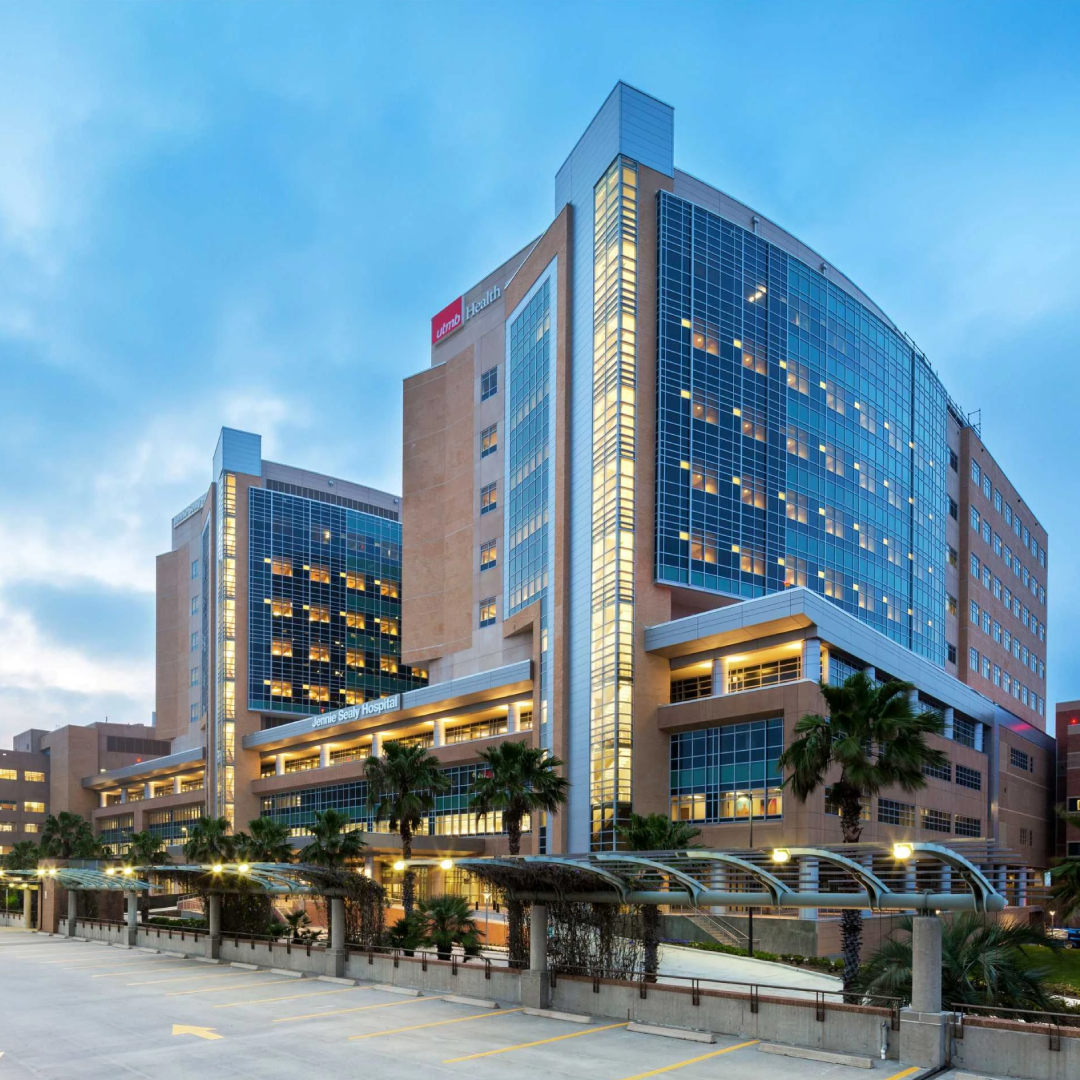
University of Texas Medical Branch's

Dr. Peter Kan and Dr. Matias Costa

What Does this Funding Mean to You or Your Team?

This funding provides the critical foundation needed to launch a first-in-field therapeutic concept: combining mechanical embolization with controlled, local anti-VEGF drug delivery for chronic subdural hematoma (cSDH). Traditionally, embolics are purely mechanical agents; this project transforms them into biologically active therapies.


For our team—UTMB Neurosurgery in collaboration with the McHugh Lab at Rice University—this support enables:


• Development and optimization of the sustained-release bevacizumab hydrogel platform.
• Execution of the preclinical workflow (characterization, dosing, safety, pharmacokinetics).
• Generation of the essential data required to move toward a first-in-human trial and future FDA regulatory pathways.

This funding is the springboard that converts a high-impact idea into a translational research program with long-term clinical and commercial potential.

What Do You Hope to Accomplish Through this Project?

Our primary goals are to:


• Demonstrate that combining MMA embolization with sustained-release bevacizumab is feasible, safe, and biologically active.
• Develop a stable, injectable hydrogel capable of delivering anti-VEGF therapy locally over several weeks—addressing the inflammatory and angiogenic mechanisms that drive hematoma recurrence.
• Show superiority over mechanical embolization alone by reducing membrane vascularity, inflammation, and rebleeding potential.
• Establish the scientific and preclinical foundation needed to justify a future first-inhuman pilot trial.


Ultimately, this project aims to create a new therapeutic class: drug-eluting endovascular therapies for neurovascular disease.

How Could this Work Impact Care or the Broader Community?

If successful, this project has the potential to transform the treatment of cSDH and influence the broader field of neurointervention:


• Substantial reduction in cSDH recurrence—especially important in elderly, frail patients who are poor surgical candidates.
• Safer, more effective, and more durable outcomes when compared to MMA embolization alone.
• Establishment of a platform technology for delivering medications intra-arterially into the dura or brain vasculature.
• Applications could extend to AVMs, tumors, meningiomas, inflammatory dural diseases, and postoperative pain modulation.


Ultimately, this work could broaden access to minimally invasive treatment options, decrease the need for repeat surgeries, and reduce healthcare costs.


This project does not simply improve a technique—it opens an entirely new direction for biologically active neurointerventional therapeutics, with impact far beyond cSDH.

Share The Impact