TRC4 Impact

UTSW Investigating Biomaterial Immunotherapy to Combat Post-Trauma Infection

Biomaterial Immunoengineering to Protect Against Trauma-Related Infection

Project Overview

TRC4 has awarded $500,000 in Preclinical Translational Research funding to a UT Southwestern Medical School project aimed at preventing infections after severe injury. Led by Dr. Alexander Tatara, the initiative addresses a major complication affecting up to a third of trauma patients, which can lead to prolonged hospitalization, amputation, or death. The research team is using advanced immunologic techniques to study how trauma compromises the immune system and is evaluating a newly developed biomaterial immunotherapy designed to boost immune populations. By combining immunology and bioengineering, the project aims to develop proactive therapies that stop bacteria from causing infection and improve patient outcomes.

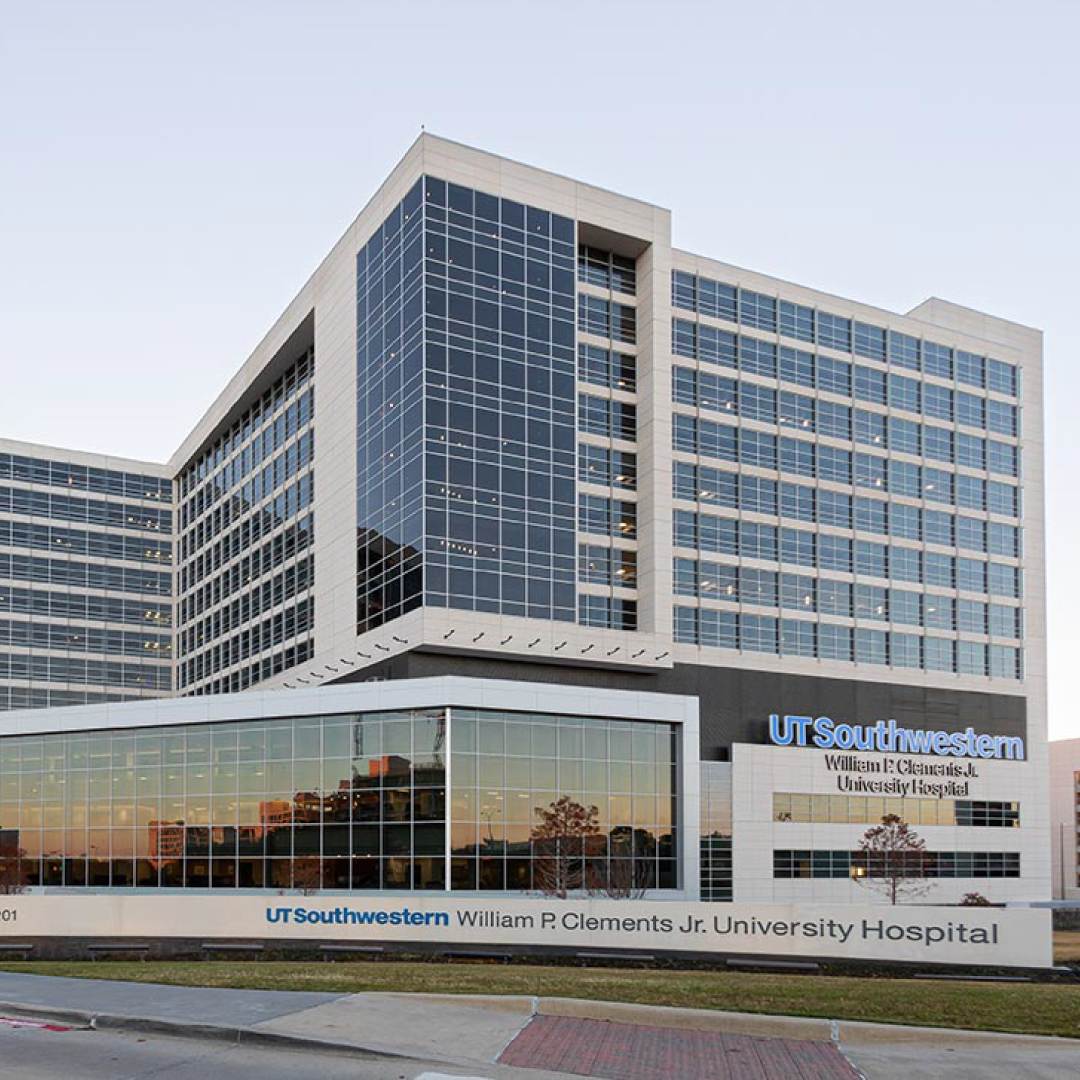
UT Southwestern Medical Center's

Dr. Alexander Tatara

What Does this Funding Mean to You or Your Team?

Infection is one of the most devastating complications following trauma. We are thrilled about this project because this funding allows us to both better understand why trauma patients are so vulnerable to infection AND to develop new therapies to boost specific immune populations and prevent trauma-related infection from occurring.

What Do You Hope to Accomplish Through this Project?

We will use cutting-edge immunologic techniques to better understand how trauma affects our immune system and allows bacteria to cause infection. We have also developed a new biomaterial immunotherapy and we will evaluate its ability to prevent trauma-related infection.

How Could this Work Impact Care or the Broader Community?

Up to a third of trauma patients suffer from infection at some point during their recuperation. These infections can result in longer hospitalizations, need for amputation, and even death. By combining our knowledge of immunology and bioengineering, we hope to build new therapies to prevent trauma-related infections and deliver better care to our patients.

Share The Impact